Brazilian Jiu-JitsuPuerto Rico

Push your limits with Jiu Jitsu

Technique Conquers All
Real Google Reviews

What people say about BJJ Puerto Rico

Glenn JohnsonGoogle Review
From ancient roots to Puerto Rico

History

Jiu-Jitsu is different from other arts. It does not come from a single source or root; it has multiple origins and traveled through different Asian countries before reaching its final development in Japan. The development of its techniques dates back approximately 5,000 years.

Buddhist monks in northern India contributed to the early development of the art. Because their religion and moral values did not allow them to use weapons, they developed a system of unarmed self-defense based on their knowledge of the human body.

They applied principles of physics such as leverage, momentum, balance, center of gravity, friction, weight transfer, and the manipulation of key points of human anatomy to create a science of self-defense.

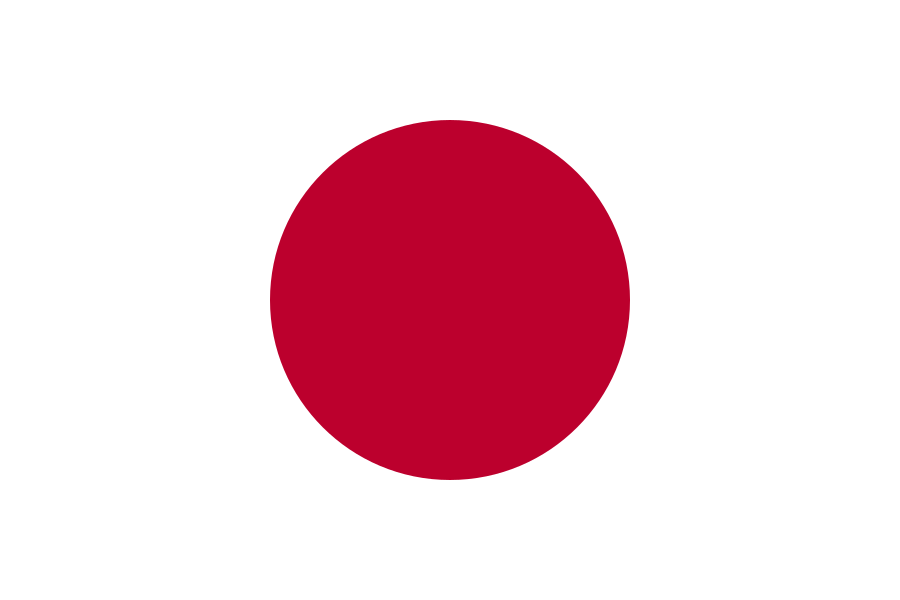
Flag of Japan

The art from Japan

Jujutsu, also known as Jiu-Jitsu, literally means "the art of gentleness" or "the way of yielding." It is a collective name for Japanese martial arts styles that incorporate grappling and striking techniques.

Jujutsu evolved among the samurai of feudal Japan as a method of neutralizing an armed and armored opponent when using weapons was impractical or prohibited. Because of the difficulty of striking an armored opponent, the most effective methods became pins, joint locks, and throws, using the attacker's energy rather than directly opposing it.

Many variations developed, including throws, controls, joint locks, holds, escapes, punches, and kicks; many schools also taught the use of weapons. Jujutsu is still practiced in its traditional form and in modified sporting forms. Jigoro Kano developed Judo from traditional Jujutsu styles in the late 19th century, and Brazilian Jiu-Jitsu later evolved from an early version of Kodokan Judo.

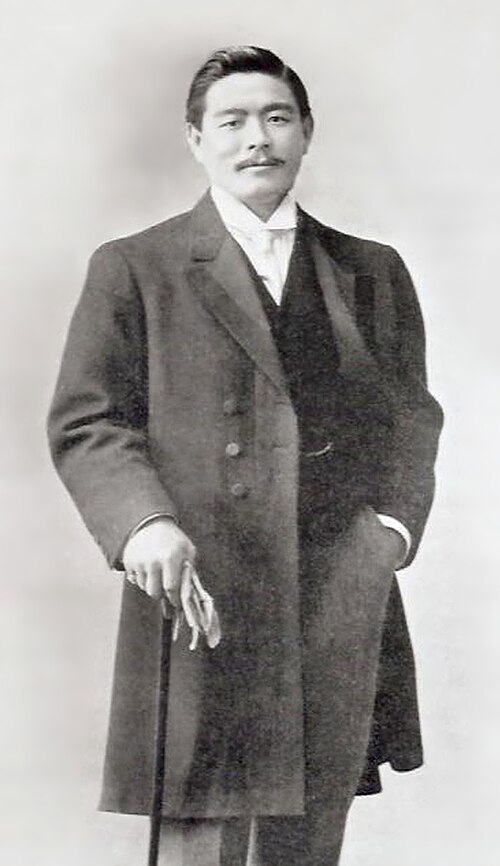
Mitsuyo Maeda, Conde Koma

Mitsuyo Maeda “Conde Koma”

In the early 20th century, Japanese martial artist Mitsuyo Maeda moved to Brazil. The Japanese government wanted to establish a colony in that country, and Maeda worked to help it prosper.

There he developed a close friendship with Gastão Gracie, a political figure who used his influence to help Maeda and the Japanese colony. Maeda had been a Jujutsu champion and, in gratitude for Gastão's help, offered to teach the art to his son Carlos Gracie.

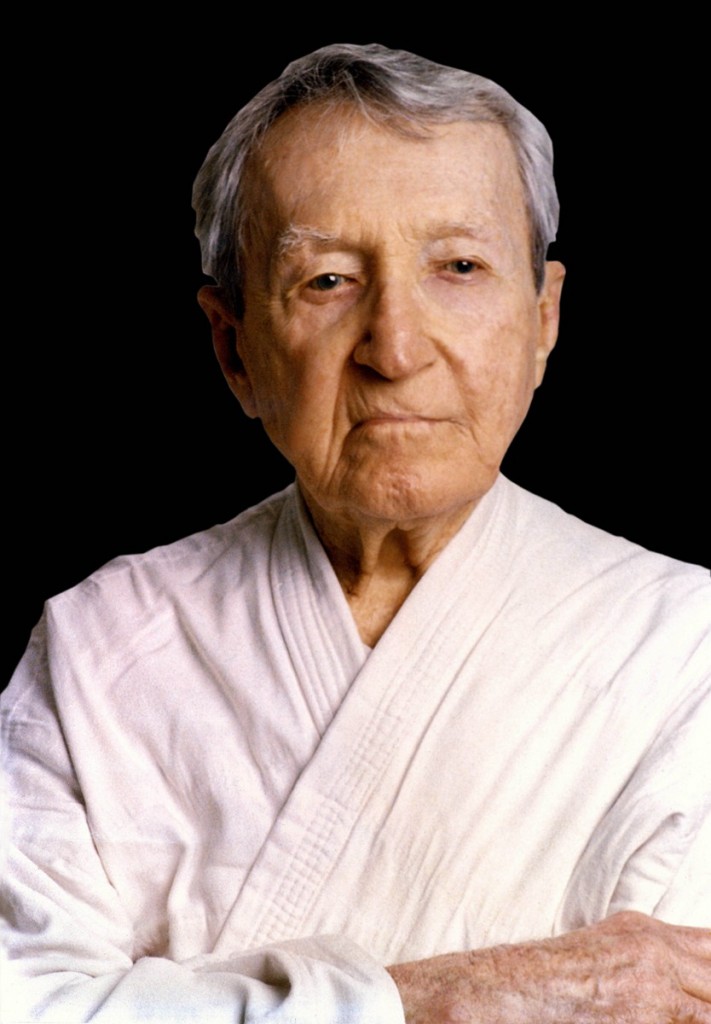
Carlos Gracie Sr.

The birth of Brazilian Jiu-Jitsu

The Gracie style was created in Brazil in the early 20th century by Brazilian Jiu-Jitsu pioneer Carlos Gracie, who studied traditional Jujutsu under Mitsuyo Maeda as a teenager.

Interested in street self-defense, Carlos modified the classical techniques he learned from Conde Koma to meet the demands of real, no-rules fights in Brazil. He continually tested and refined his system through open challenges against opponents of any size, weight, and fighting style. Although he weighed only 135 pounds, his system proved so effective that he was never defeated and became a legend in Brazil.

Carlos taught his style to his younger brothers Oswaldo, Gastão, Jorge, and Helio, as well as to his children. They passed it on to later generations, continuing the family tradition of open challenges and demonstrating the effectiveness of Gracie Jiu-Jitsu in real fights and bouts with minimal rules around the world.

Carlos Gracie had 21 children, and his younger brother Helio had seven sons, forming a true dynasty of Gracie fighters and instructors. Their representatives repeatedly competed against champions of other martial arts, helping make Gracie Jiu-Jitsu one of the most influential systems in modern martial arts.

Today, Brazilian Jiu-Jitsu is one of the most widely practiced martial arts in the world. Its versatility has attracted martial artists from many styles and people who once thought the art was beyond their reach because of their physical condition. Brazilian Jiu-Jitsu revolutionized the world of conventional martial arts and is here to stay.

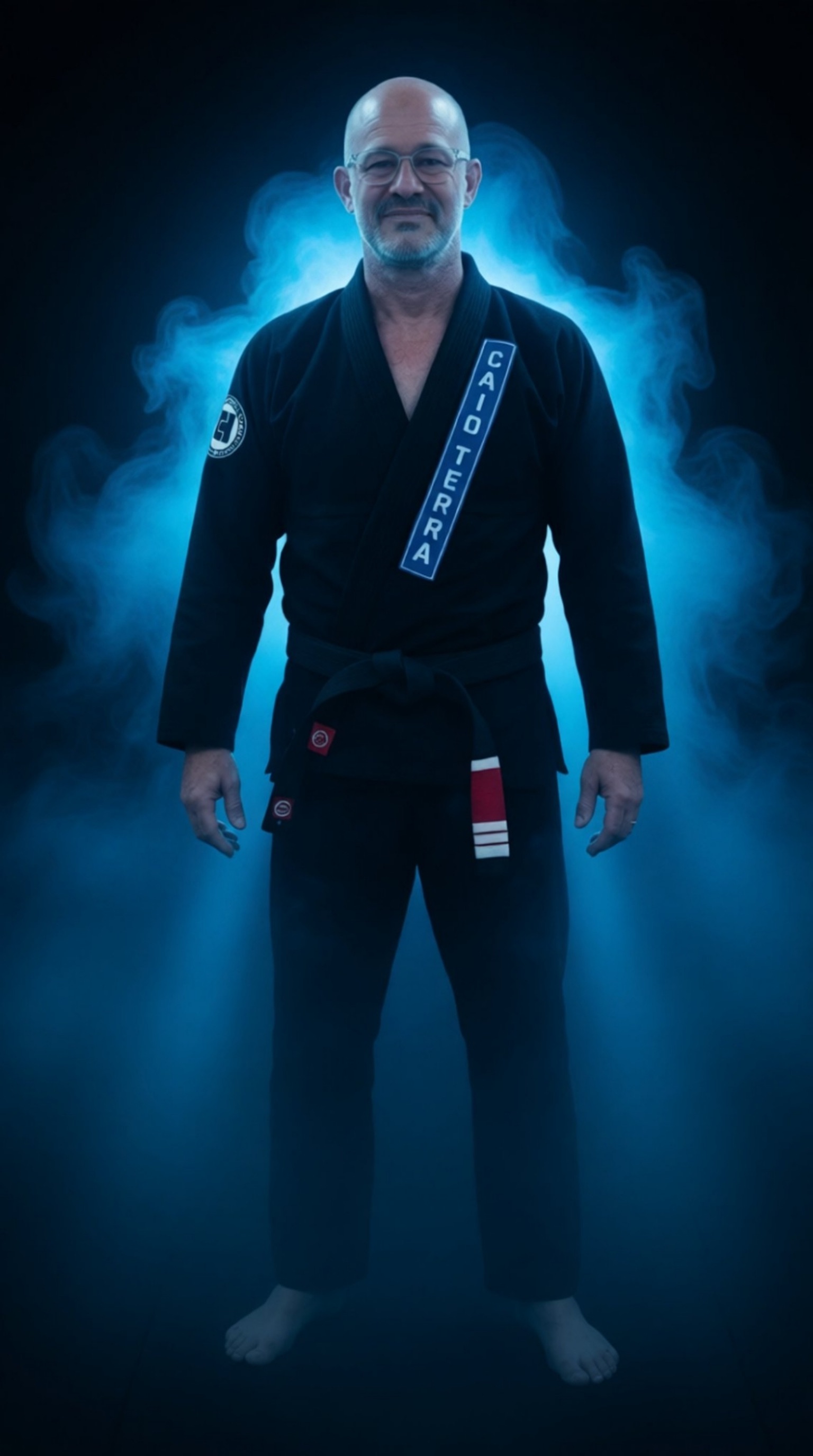
Caio Terra

Caio Terra Association

Caio Terra has been teaching students and developing world champions since 2004. He is a 12-time IBJJF world champion, a multiple-time Pan-American and American National champion, and a coach to numerous world and ADCC champions. In 2012, he founded the Caio Terra Brazilian Jiu-Jitsu Association, built on the principle that, through Jiu-Jitsu, we can make the world a better place.

Professor Carlos Reyes
Our history in Puerto Rico

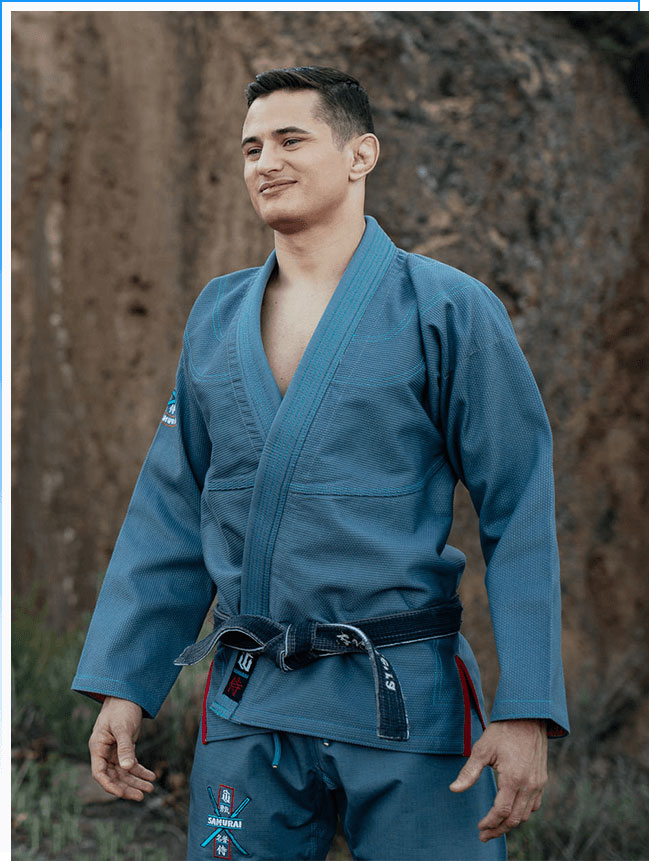
Prof. Carlos Reyes

Professor Carlos Reyes is a second-degree black belt in Brazilian Jiu-Jitsu. He began studying martial arts at age 13, starting with karate and earning a brown belt in Moo-Duk-Won, a brown belt in Combat Hapkido, and a black belt in Tae-Kwon-Do. He is the first Puerto Rican to earn a black belt under Master Rilion Gracie.

After the UFC debuted in the 1990s, he understood that becoming a complete martial artist required learning to defend himself both standing and on the ground. Today, he integrates his knowledge of Hapkido and Tae-Kwon-Do into Brazilian Jiu-Jitsu, offering his students a comprehensive self-defense program for real-life situations.

In 2024, Prof. Carlos Reyes decided to join the Caio Terra Association, making BJJ Puerto Rico the first academy in the Caribbean under the guidance of master Caio Terra. This partnership combines old-school experience with modern methods to offer a balanced system, focused on both sport and self-defense and accessible to people of all ages.

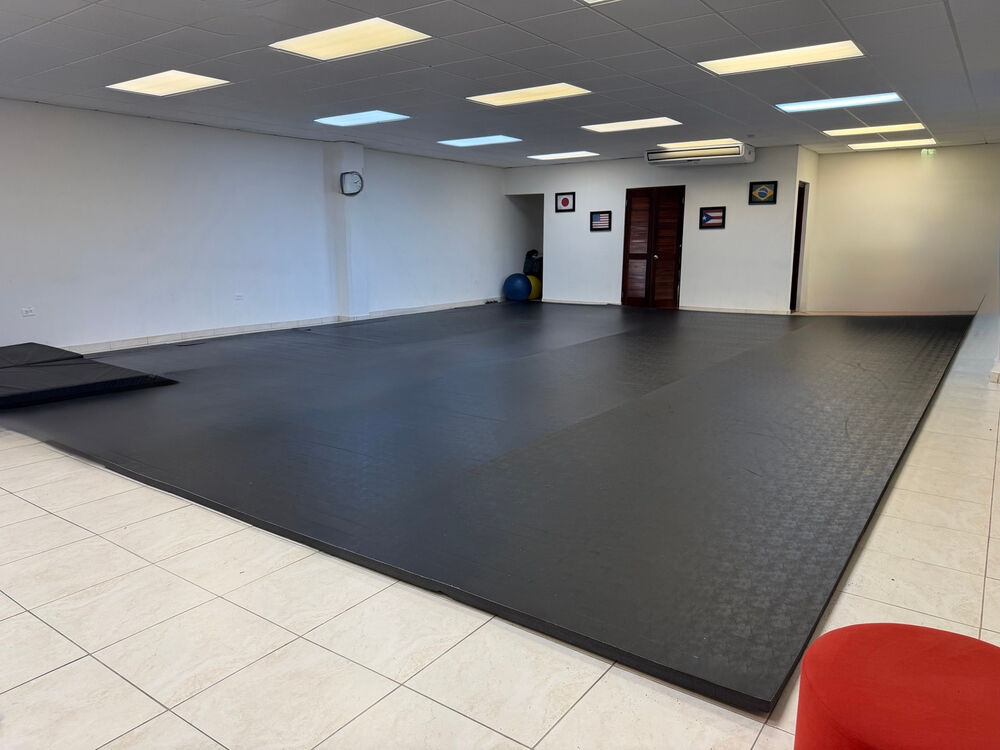
Training room and mats at Brazilian Jiu-Jitsu Puerto Rico

Our academy

Our 1,500-square-foot facility is located in San Juan, approximately 10 minutes from the main hotel areas. The academy is air-conditioned to provide a comfortable training experience. We also offer ample parking in a safe area. We invite you to visit us and take a free class, with no obligation. You decide whether Brazilian Jiu-Jitsu is for you. You will be surprised to discover how technique can help you defend yourself against a larger opponent.

Find your program

Jiu-Jitsu for every stage

Children

A structured program to build confidence, discipline, and coordination while learning Brazilian Jiu-Jitsu in a safe environment. Classes strengthen focus, respect, and the ability to handle situations calmly. Each student progresses according to their age, experience, and learning pace.

Adults

Classes for complete beginners and experienced students who want to keep developing their technique. The program combines fundamentals, strategy, conditioning, and progressive practice in a respectful environment. You do not need to be in shape to start; training helps you get there.

Self-Defense

Training focused on recognizing risks, maintaining control, and responding practically to real-life situations. We work on distance, grips, takedowns, control, and escapes using principles that do not rely on strength alone. The goal is to develop confidence, sound judgment, and skills that can be applied off the mats.

BJJ 50+

A smart way to train Brazilian Jiu-Jitsu while respecting each person’s experience, mobility, and physical condition. Classes help improve coordination, functional strength, balance, and confidence through controlled progression. The intensity is adjusted to keep training challenging, safe, and sustainable.

The first step is walking in

Begin your Jiu-Jitsu journey

I want to get started →